

Every account running budget-limited tCPA or tROAS just got a lot less forgiving. Google's August 17 Smart Bidding update is being covered like a bidding story, and the trade press has landed on the same reflex: check your account, run the numbers, don't panic.
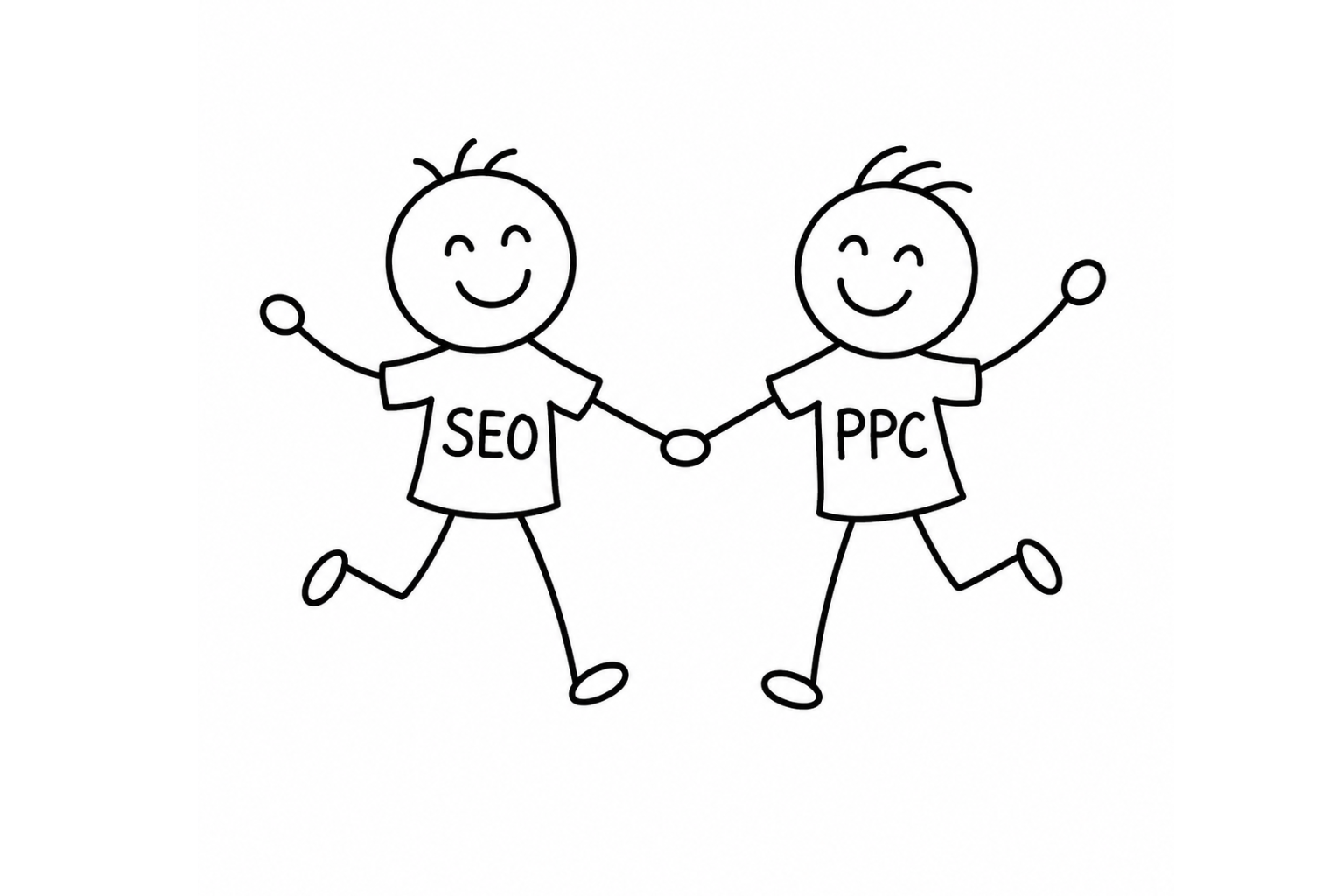
That's fine as far as it goes. But treating this as a bidding fix misses the bigger shift underneath it. This update is another data point in a trend that's been building for a while: businesses that run SEO and PPC as two separate strategies are going to keep getting blindsided, one algorithm change at a time. The ones with a genuinely unified strategy won't.
What's actually changing
Under the update, budget-constrained tCPA and tROAS campaigns will optimize more literally toward the target you've actually entered. If you've set a Target CPA of $30, but your campaign has quietly been converting at $20 for months, the algorithm is about to stop giving you that cushion. It's going to hold you to the number you typed in.
Every consultant covering this is telling you to fix the number. Check it against 30 to 90 days of real performance. Move it gradually. Watch impression share so you don't choke off volume.
Necessary, but not the whole picture.
Why a bidding fix alone won't hold
A Target CPA is a promise about what a conversion is worth to you. Smart Bidding is now treating that number more literally. But whether the promise is achievable depends on what kind of traffic shows up to convert, and that's not something bidding alone controls.
Someone clicking a paid ad with zero context converts differently than someone who already found you in an AI Overview, read a review, or landed on your site organically last week and came back ready to buy. Same target. Same bid strategy. Completely different outcome, because the demand feeding the auction isn't the same demand.
Tighten a target on cold, unqualified traffic and the campaign looks broken. Tighten that same target on traffic, your organic visibility already warmed up, and it looks efficient. Your organic footprint and your paid performance were never running two separate races. They're feeding the same funnel. Google's bidding logic is simply catching up to that fact.
The data behind why this is happening now
Search Engine Land made a similar case a few weeks ago: the SEO versus PPC debate is over, because AI changed what a click even means. Across queries with AI Overviews, organic click-through rate fell 61%. Paid click-through rate fell even harder, down 68%.
AI Overviews aren't redistributing clicks between organic and paid anymore. They're shrinking the pool for both while shaping which brands make the shortlist before anyone clicks anything. By the time someone reaches your ad or your organic listing, they've usually already decided who they trust. That trust gets built upstream, through organic visibility, content, and reputation, regardless of which channel gets credit for the click.
Google tightening Smart Bidding targets in the same month AI Overviews are compressing click volume across the board isn't a coincidence. It's the same underlying shift. The traffic pool is smaller and more qualified, so Google wants the numbers you feed it to actually mean something. And that means SEO and PPC now succeed or fail together, whether your reporting reflects that or not.
What a unified strategy actually looks like in practice
This isn't about running SEO and PPC in the same building. Plenty of businesses do that and still treat them as separate line items with separate goals, separate reporting, and no shared view of the customer journey. A unified strategy means both channels are built around the same question: Where does this account actually make money, and how does each channel support the other in getting there?
Look at where your qualified traffic is actually coming from, not just which channel gets the last click. A paid conversion that only happened because someone found you organically first isn't a PPC win or an SEO win. It's a result of both working together.
Check whether your organic and content presence is doing any of the qualifying work before someone reaches your ads. If people are clicking a paid ad with zero prior context, your PPC account is carrying weight it was never built to carry alone, and no bid adjustment fixes that.
Stop scoring SEO and PPC as if they're competing for the same budget. They're not substitutes. They're sequential parts of the same system, and treating them as rivals for credit is exactly what leaves gaps like this one exposed every time Google changes how it weighs a target.
The accounts that sail through updates like this one without drama aren't the ones with the sharpest bidding scripts. They're the ones where SEO and PPC were built together from the start, pointed at the same outcome.
See where a combined approach could actually move the needle
Most businesses have never had someone look at their SEO and PPC together and ask where the combined uplift is sitting. Two Trees will run a free SEO and PPC audit on your account, looking at how your organic visibility and paid performance are actually interacting right now, where cold traffic is doing work your content should be doing instead, and what a genuinely unified strategy could be worth to your numbers.
Get your free SEO and PPC audit and find out how much uplift is sitting between your two channels right now.